
Introduction
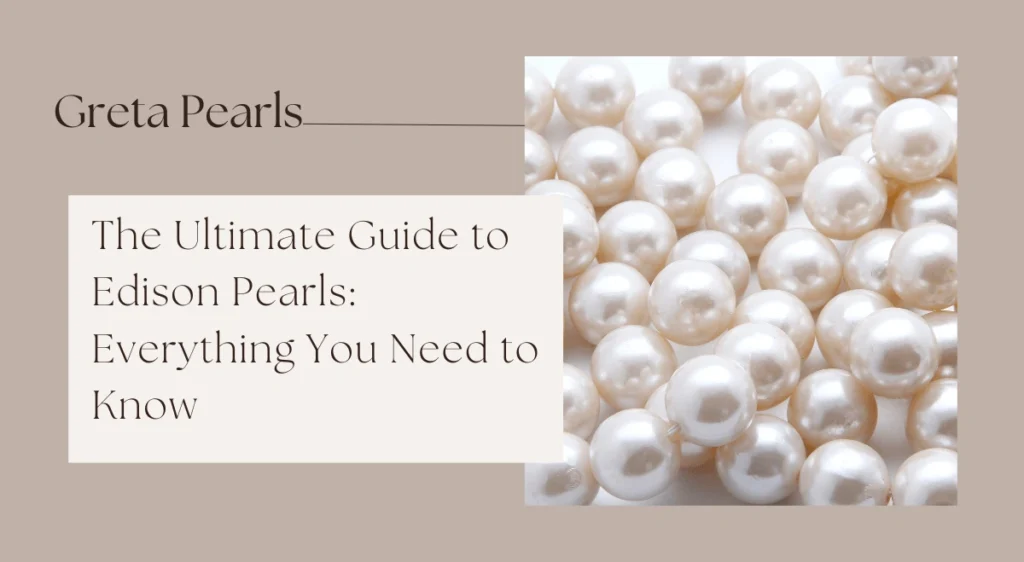
Edison pearls are a fascinating innovation in the pearl market, combining advanced cultivation techniques with the beauty of freshwater pearls. Developed in the early 21st century in China, these pearls are named after Thomas Edison, symbolizing their groundbreaking approach to pearl farming. Unlike traditional freshwater pearls that rely on tissue nucleation, Edison pearls utilize a bead-nucleated method, allowing for larger, more lustrous, and diverse colored pearls.
As their reputation for quality and uniqueness grows, Edison pearls are becoming increasingly popular among jewelry enthusiasts and entrepreneurs alike. In this guide, we’ll explore the origin, cultivation process, characteristics, related to Edison pearls, equipping you with the knowledge needed to engage with this dynamic segment of the jewelry industry.
What is Edison Pearl?
Edison pearls are revolutionary cultured freshwater pearls that combine the size and luster of saltwater varieties with freshwater affordability. Developed in China, these gems typically range from 11-16mm and can display rare metallic hues like lavender, plum, and champagne – characteristics once exclusive to South Sea and Tahitian pearls.
The breakthrough began in the 1990s when pearl farmers Zhan Weijian and Zhan Weiyu partnered with Zhejiang University to solve freshwater pearl limitations. After 20 years of trials, they successfully hybridized Hyriopsis schlegeli and Triangularis mussels while perfecting single-bead nucleation – a technique previously only viable in saltwater farming. This allowed individual pearls to form around spherical nuclei, creating rounder shapes and thicker nacre. First commercialized in 2010 by Zhuji Grace Pearls, Edison pearls made global headlines at the 2014 Hong Kong International Jewelry Fair, where experts initially mistook them for premium South Sea specimens.
Edison pearls are not just another pearl variety—they are a game-changer in the jewelry industry. Imagine offering your customers the elegance of South Sea pearls or the classic beauty of Akoya pearls, but at a fraction of the cost. That’s the magic of Edison pearls. Whether you’re crafting statement necklaces, elegant earrings, or bespoke jewelry, these pearls bring unparalleled versatility to your designs.
What’s So Special About Edison Pearls?
Edison pearls are a cutting-edge development in the gemstone world, known for their superior size, luster, and variety of colors. Originating from China, they represent a leap forward in freshwater pearl cultivation. Edison pearls are produced using a bead-nucleation process, enabling them to reach sizes comparable to the South Sea pearls, often exceeding 15 mm. In fact, while typical freshwater pearls range from 4-7 mm, Edison pearls can achieve a diameter of 16-20 mm, bridging the gap between freshwater and luxury saltwater pearls.
Their luster is particularly noteworthy. Unlike conventional freshwater pearls, which sometimes lack the high-gloss finish of their saltwater cousins, Edison pearls are polished to a mirror-like sheen akin to Akoya pearls. This results from their unique cultivation process and the thick layers of nacre they develop.
Edison pearls shine brightly in their color offerings. They encompass a natural color palette that includes white, pink, lavender, and even rare hues like gold and peach. These colors are not often seen in the commonly cultivated off-white or cream freshwater pearls, providing a broader spectrum than the darker tones of Tahitian pearls.
Additionally, due to the technological advancements in their production, Edison pearls are relatively more affordable than South Sea or Tahitian pearls. Their cost-effectiveness, combined with the luxury look they provide, makes them highly attractive to both buyers and retailers. The price of Edison pearls can be a fraction of that of South Sea pearls, while still offering comparable visual impact and quality.
In my time as an expert with Greta Pearls, I have observed how Edison pearls are slowly transforming the market. They symbolize a perfect fusion of innovation and natural beauty, offering undeniable value to both collectors and jewelers alike.
How Edison Pearls Are Produced
Edison pearls represent an innovative approach to freshwater pearl cultivation by utilizing techniques typically reserved for saltwater pearls.
Edison pearls are cultivated primarily using the Hyriopsis cumingii (Triangle Sail mussel), often hybridized for enhanced pearl quality. What sets Edison pearls apart from typical freshwater pearls is the use of a bead nucleation process usually employed in saltwater environments. A single large spherical bead, often 6–8 mm in diameter, is surgically implanted into the mussel’s gonad, similar to the method used in South Sea and Tahitian pearls.
This process involves several stages, ensuring the production of high-quality, large pearls.
1. Breeding and Selection
The process begins with mussels raised in controlled environments until they reach the desired age and size for nucleation. Only the healthiest mussels are selected to reduce the risk of bead rejection and to maximize pearl quality. These large, robust mussels allow for the insertion of larger beads, producing pearls that can exceed 12 mm in diameter.
2. Bead Insertion (Grafting)
Highly skilled technicians perform a delicate surgical procedure to insert the bead and a piece of mantle tissue into the mussel. This grafting process is crucial, as it initiates nacre secretion around the bead, forming the pearl. Over years of refinement in techniques, rejection rates have significantly reduced, making it possible for each mussel to manage this stressful process more efficiently.
3. Environmental Conditions and Pond Management
Edison pearls are grown in clean freshwater ponds or lakes, predominantly in Zhejiang and Jiangsu provinces in China. The water quality, temperature, and mineral content are meticulously managed, as these factors influence nacre deposition and the final color of the pearls . Mussels filter feed naturally, and some farms add nutrients to promote plankton growth, although excessive fertilization is avoided to prevent eutrophication.
4. Growth and Harvesting
The growth period for Edison pearls spans 2 to 3+ years, allowing for the deposition of a thick nacre layer around the bead. Compared to traditional freshwater pearls, which are often harvested sooner, this extended period results in richer luster and durability (nacre thickness often ranges from 2 to 3 mm) . Once harvested, each mussel typically yields only one pearl, underscoring their rarity and higher quality standard.
5. Final Processing
Post-harvest, Edison pearls undergo minimal processing to retain their natural beauty; some may be lightly polished or bleached. Maintaining the integrity of their natural colors, which range from soft pastels to vivid tones, is a priority for farmers and vendors .
Through this intricate process, Edison pearls have redefined freshwater pearl quality, achieving a status that parallels more traditional saltwater pearls in both beauty and market appeal.
Quality Factors and Purchasing Tips for Edison Pearls
Buying Edison pearls is an exciting venture, but it’s important to know what you’re looking for. Here are a few key quality factors to consider:
1. Size
Edison pearls are renowned for their impressive size, typically ranging from 10 to 15 mm. While a bigger pearl often means a higher price tag, the ideal size can depend on your desired style—bigger isn’t always better for every piece. Think about the balance you’d like in your jewelry design.
2. Shape
The rule of thumb with pearls, including Edisons, is that the rounder, the better. However, unique shapes like teardrops can offer creative possibilities, especially for pendants or earrings. Choose a shape that fits your personal taste or design needs.
3. Surface Quality
The surface quality of the pearls is always my first concern, including the degree of shine and smoothness, as this is the first thing people see when they look at your jewelry. While flawless pearls are rare and some small imperfections are natural, try to choose pearls that are smooth and have minimal imperfections.
4. Color
Edison pearls naturally come in stunning colors such as rose, lavender and gold. But white will always be the most classic and popular color. If you need your jewelry to look even more special, you can choose other special colors.
5. Nacre Thickness
Thicker nacre means better durability and luster—a feature Edison pearls stand out for. Their thick nacre, often between 2 to 3.5 mm, ensures they are both stunning and long-lasting.
Purchasing Tips
Now, armed with this knowledge, here are some practical tips to help you on your buying journey:
1. Choose the Right Size: Don’t just look for the biggest pearl. Consider how you’ll wear it and what feels comfortable. A larger pearl might make a statement, while a medium-sized one might wear better every day.
2. Prioritize Surface Quality: Always check the surface quality first. The smoother the surface, the better the light reflection and the overall appeal of the pearl. Slight blemishes are okay but avoid major defects.
3. Compare Prices: Do some research and compare prices from different sellers. Edison pearls can vary widely in cost depending on size, luster, and color, so make sure you’re getting a fair deal. Choosing a supplier like Greta Pearls that sources directly from Chinese pearl farms allows you to ensure quality while getting lower prices.
4. Look for Certification: Quality certification can give you peace of mind. Look for pearls that come with certification from recognized institutes like the Gemological Institute of America (GIA) or the European Gemological Laboratory (EGL), which ensures they meet the standards claimed.
By focusing on these aspects and reflecting on your needs, you can select Edison pearls that not only look stunning but also match your own style and intentions. If you need more advice on choosing the right pearls, feel free to reach out—I’m always happy to share more insights from my experience at Greta Pearls.
Comparison of Edison Pearls with Other Types of Pearls
The world of pearls is diverse, with each type offering distinct characteristics and value. Here’s a closer look at how Edison pearls compare with other popular pearl varieties: freshwater, Akoya, Tahitian, and South Sea pearls.
Edison Pearls vs. Regular Freshwater Pearls
Edison pearls are a groundbreaking innovation among freshwater pearls, utilizing bead-nucleation similar to saltwater techniques. This results in larger and more uniformly round pearls, often ranging from 9 to 14 mm. Traditional freshwater pearls, typically grown through tissue nucleation, can vary in shape and size, with most falling between 2 to 9 mm. Edison pearls also boast a broader color palette, including white, pink, lavender, and even rare coppery hues.
Edison Pearls vs. Akoya Pearls
Akoya pearls, often seen as the “classic pearl,” are renowned for their high luster and perfectly round shape, but they typically range from 2 to 9 mm in size. In contrast, Edison pearls are larger on average, potentially offering a more dramatic appearance at a lower price point. While Akoya pearls are consistently round due to their smaller size and precise bead-nucleation, Edison pearls offer vibrant natural colors like peach and lavender, which are not typical for Akoya.
Edison Pearls vs. Tahitian Pearls
Tahitian pearls are celebrated for their unique dark hues, ranging from peacock green to silver grey. Edison pearls, although available in multiple colors, do not naturally occur in the true blacks or greys of Tahitian pearls. However, Edison pearls’ size (often 14 mm and up) competes well against Tahitian pearls, presenting a cost-effective option for consumers seeking large, lustrous jewels.
Edison Pearls vs. South Sea Pearls
South Sea pearls are the largest cultured pearls, typically ranging from 10 to 20 mm, known for their thick nacre and silvery-white to golden colors. Edison pearls provide a similar size range but are available at a fraction of the South Sea pearls’ cost. Although South Sea pearls possess a special inner glow and supreme luster, Edison pearls’ diversity in color and affordability makes them a popular choice for those seeking grandeur without the hefty price tag.
In conclusion, Edison pearls offer an excellent combination of size, beauty, and value. They are an ideal choice if you’re looking for something exquisite but accessible, embodying both innovation and tradition in pearl cultivation. Whether for personal use or commercial jewelry design, Edison pearls stand out as a versatile and appealing option in the diverse world of pearls.
How to Care for Edison Pearls
Caring for Edison pearls involves a few simple habits to ensure they maintain their beauty and longevity. Since Edison pearls have a thick nacre and vibrant natural colors, proper maintenance will help preserve these characteristics for years to come. Here’s a guide to taking care of your Edison pearls based on the best practices in the industry:
Storage Tips
● Hydration: Edison pearls thrive in slightly humid environments. Storing them with a small container of water or a nearby humidifier can prevent them from drying out.
● Protection from Sunlight: Because Edison pearls, can be sensitive to prolonged exposure to strong sunlight, it’s best to store them in a cool, dark place. Natural Edison pearls have stable colors, but dyed ones might slightly fade over many years of sun exposure.
● Avoid Contact with Hard Objects: Store your pearls separately in a soft-lined box or within a fabric pouch to protect them from scratches caused by harder jewelry pieces.
Cleaning Methods
● Gentle Wiping: Use a soft, damp cloth to gently wipe the pearls after wearing them. This helps remove any oils or perspiration, which can be slightly acidic.
● Avoid Harsh Chemicals: Keep pearls away from vinegar, lemon juice, chlorinated water, and similar substances that can mar their surface. Always remove pearl jewelry before swimming, cleaning, or applying hair spray and perfumes.
● No Ultrasonic Cleaners: Never use ultrasonic cleaners, steamers, or abrasive polishes that can damage the pearl surface.
Wearing Tips
● Last On, First Off Rule: Make your Edison pearls the last thing you put on when dressing and the first you take off when undressing. This prevents exposure to cosmetics and other chemicals.
● Occasional Wear: Although regular wear helps maintain their luster by allowing contact with natural skin oils, it’s advisable to give them a break and not to expose them to extreme activities that could damage them.
By following these guidelines, Edison pearls not only maintain their lustrous, vibrant appearance but can also become cherished heirlooms capable of being passed down through generations. Always treat them with the kindness they deserve, and they’ll reward you with lifelong elegance.
Conclusion
Edison pearls are a remarkable addition to the pearl industry, offering a unique blend of size, vibrant colors, and affordability. Their innovative bead-nucleation process allows them to rival the luxury of South Sea and Tahitian pearls without the extravagant price tag. This makes them a versatile choice for both jewelry makers and collectors who seek high-quality pearls that are sustainably and ethically sourced.
At Greta Pearls, we’ve seen firsthand how Edison pearls captivate with their natural beauty and impressive characteristics. Whether you’re an entrepreneur looking to expand your offerings or a pearl enthusiast drawn to distinctive designs, Edison pearls provide an elegant, accessible gateway to luxury. Explore more about these unique treasures and find the perfect Edison pearls at greta pearls.
FAQ
Are Edison pearls real?
Yes, Edison pearls are real pearls. They are a type of freshwater cultured pearl produced in China using a bead-nucleated technique, similar to that used for South Sea and Tahitian pearls. This method helps achieve larger sizes and rounder shapes.
Are Edison pearls valuable?
Edison pearls are valued for their large sizes, beautiful luster, and vibrant colors. While typically more affordable than saltwater pearls of similar quality, top-grade Edison pearls can be quite valuable due to their unique characteristics and growing popularity.
Why are they called Edison pearls?
The name “Edison” was chosen in homage to Thomas Edison, highlighting the innovative nature of these pearls. It signifies a breakthrough in freshwater pearl cultivation by achieving qualities comparable to premium saltwater pearls.
Can Edison pearls be colored?
Yes, Edison pearls come in a natural range of colors, including white, pink, peach, and lavender. Some Edison pearls are also dyed to create hues not naturally found, such as deep black or chocolate.
Where can I buy Edison pearls?
Edison pearls can be purchased through reputable pearl retailers, both online and in-store. Companies like Greta Pearls offer a range of Edison pearls directly from the source in China, ensuring quality and authenticity. Be sure to choose sellers who provide clear descriptions and any treatment disclosures.



 English
 Español de México
 Français
 Deutsch